Why Having More Friends Can Make You Lonelier

This is the loneliest night of your life. You are sitting at the foot of your bed, quietly hoping something changes. Suddenly, you feel as if someone has entered the room. A light breeze brushes your skin and reaches your ear when you hear: “your desperation was so loud that I could hear it, I came here to grant you one wish.” After thinking carefully and with a reasonable dose of scepticism, you reply: “I wish to make one new friend every day.” “Granted,” the voice says, and the breeze fades away.
The next morning, you go to the coffee shop you usually go to before work. A stranger in the queue starts speaking to you with a very cheerful smile. It’s Nick, your first new friend. You exchange numbers and agree to go for a drink on the weekend. You feel ecstatic, there’s a promising future coming.
On Day 2, you meet Samantha at work, she just joined the company and is new to town, you offer to show her your favourite spots. You exchange socials. “This is working great!”, you think.
The first three weeks feel like heaven on Earth. You meet nice people and do interesting things with them every day. You go to a tango class with Erick, climb for the first time with Ana, try a delicious sushi with Sophia. You feel seen, heard and appreciated. You feel chosen, by everyone.
But eventually, your new life starts to lose its shine.
By Week 4, your calendar starts looking like Tetris. You’ve made so many plans with two dozen people that finding time for a coffee with Fred, the 25th guy, is looking impossible. And your calendar isn’t the only thing that looks saturated. On Day 31, a payment at the supermarket bounces, there’s barely any money left in your bank account after spending almost an entire month’s salary doing fun stuff.
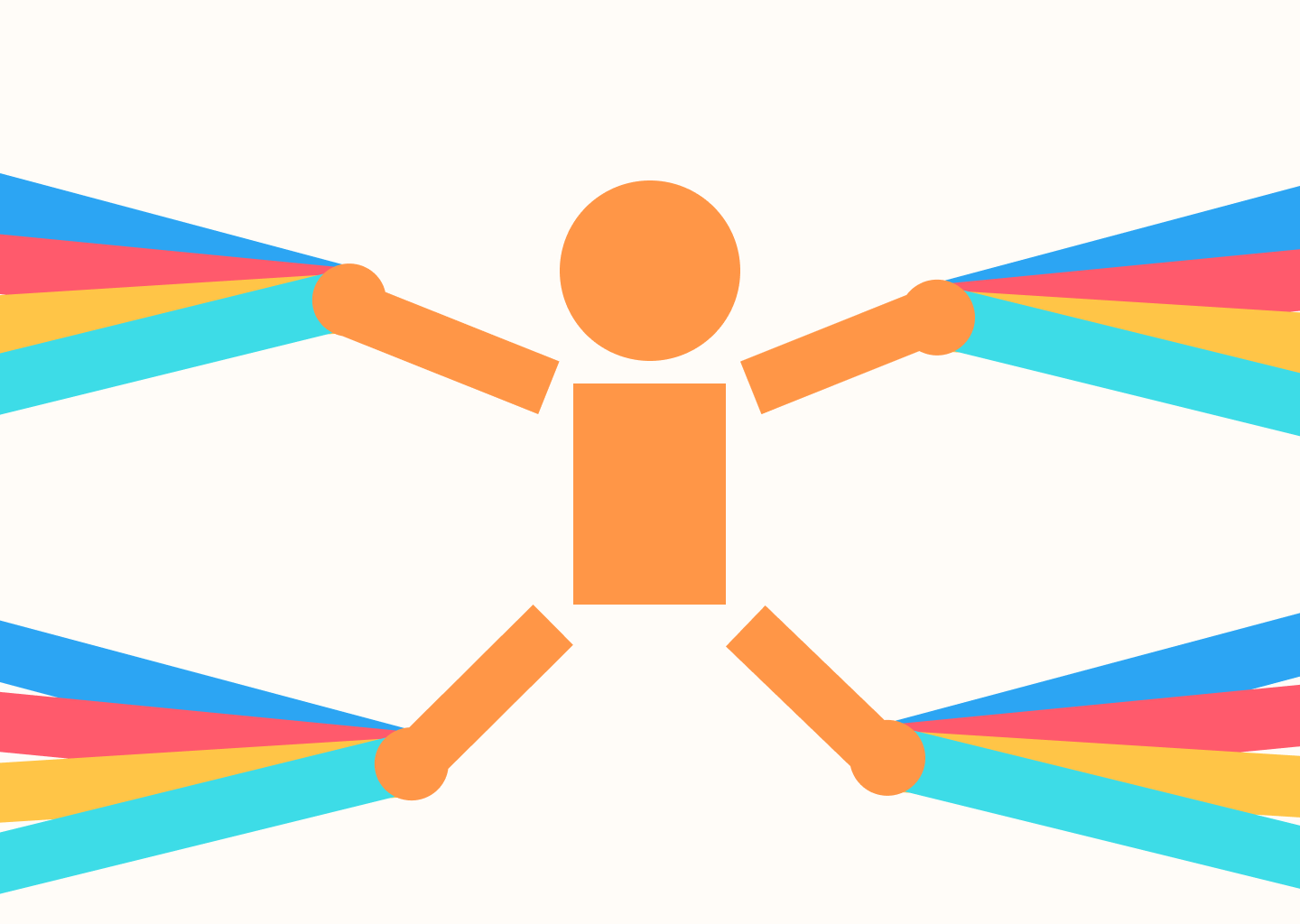
Things start getting increasingly more confusing by Week 5. At work, you struggle to focus on even the smallest task. Your phone steals your attention every few minutes, flashing with notifications. Some friends send you funny memes; others ask you to meet up; the newest arrivals send you follow requests. You never imagined it’d be so hard to keep up with so many threads, or say yes to all the fun activities people propose. You realize you can’t even remember forty-two names, let alone match them to faces.
And that’s not the worst part. One day Sarah calls you crying, needing your emotional support once again. The first time you comforted her, you felt useful and you want to be there for her again. But as she tells you what happened, you search in your memory trying to remember who did what to whom, and what she needed last time. You give her a generic response, as if you didn’t listen to a single word she said. She notices. Then others start noticing your lack of presence. Your friends start feeling let down by you and you feel their trust fading away.
Finally, there comes a day when you don’t even want to leave your room, terrified you’ll meet one new person.
And you start to think that maybe you’d be better off going back to day 0.
An Obvious but Easy-to-ignore Fact
This story illustrates something that I think is obvious, but easy to forget:
It’s tempting to think: loneliness = lack of connections. If that was the case, then the solution would be to add more people. But as the story shows, that could easily backfire.
The issue isn’t only lack of connections. It’s also lack of capacity to handle them.
Relationships Are Not Free
Every relationship, even a casual friendship, comes with a cost.
When someone is in your life, they occupy mental space. You think about them. You remember their stories, worries and preferences. Even when they are not physically with you, they are present in your life. They have “a place in your heart.”
And once someone occupies space in your mind, taking care of them requires spending resources:
- Time
- Attention
- Emotional energy
- Money (doing fun stuff with people isn’t free!)
None of these resources are infinite.
Where there’s scarcity there’s competition
Your relationships are not the only occupants of your mental space.
- Your career probably occupies a place
- Family members most likely have a permanent place in your heart
- Your hobbies and obsessions also have a territory
- Your worries might steal a big chunk of mental land
And if resources are finite, your relationships compete for them sometimes between themselves and sometimes with other areas of your life. This is evident in the times when are forced to decide:
- Plans with friend X vs plans with friend Y
- Favourite band’s concert vs friend’s birthday party
- Vacation with boyfriend/girlfriend vs vacation with family
Adding More Always Requires Dropping Something
It’s hard to think of a magical way to expand your capacity for relationships. The only way I see to add something new (i.e., new relationships) is to reallocate resources.
If you want new friendships, you must assess if you have the space and resources to nurture them. If you don’t, you must create space for them. “Dropping something” means saying “no” to other things that are taking your resources in order to say “yes” to your relationships.
If you don’t consciously choose, the trade-offs still happen, just without you being fully aware of it.
Why Adding More Can Make You Lonelier
I wrote the story above as a thinking exercise to simulate what would happen if we take the desire to have more friends to the extreme. My conclusion is that, paradoxically, adding too many relationships would produce the very loneliness we are trying to escape.
When you stretch your self too thin, your attention is fragmented. Your conversations are more shallow; your responses are more generic; your emotional support is suboptimal. There is less of “You” that people get to experience.
And with less to give, there’s a limit to how deep relationships can get.
Using the Finite Resources Perspective as a Diagnostic Tool
If you feel disconnected, lonely or dissatisfied with your relationships, this framework could give you an interesting perspective to diagnose what’s happening.
Ask yourself:
- What is currently dominating my mental space?
- Where is most of my time, energy and attention going?
- What is competing with my relationships?
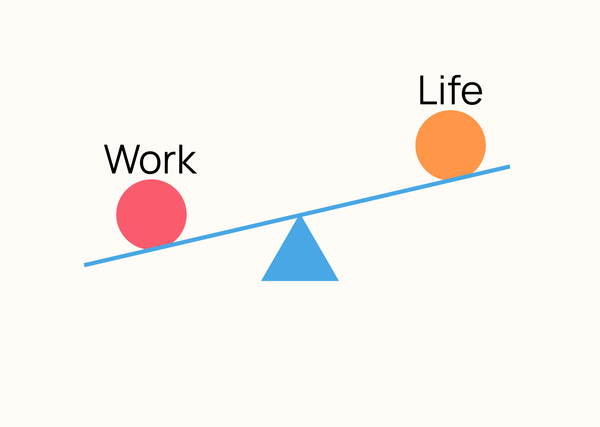
The answers might show an unbalance. You might be working too much, you may be in a romantic relationship that is too consuming which makes friendships harder. Or you may be using too much of your resources in your hobbies, or worse, in your worries.
Seeing it from this perspective would allow you to identify the unbalance and give you a clear indication on where to focus your attention.
Rebalancing Your Capacity
If you want your relationships to flourish, you don’t need to “try harder” to stretch your capacity. You need to do two specific things:
First, you need to create space by reducing what occupies your mind and attention. This means assessing what’s important in your life and sometimes means making sacrifices.
Second, you need to reallocate resources by giving your relationships time, attention, presence, and intentionality. If you’ve identified that you’ve been working over time by one hour, you may reclaim that hour and use it to catch up with a friend. If you’ve been investing too much time in your fitness, you may drop those gym hours and replace them with time with your boyfriend/girlfriend.
When you intentionally rebalance your resources, you create better conditions for your relationships to grow and thrive naturally.
A Final Thought
Accepting that your capacity for relationships is limited helps you make honest choices about how you live, who you invest in, and what/who you are willing to let go.
If you are happy with how your mental space and resources are allocated, then everything is fine. If you are not, then you can change the structure of your life to something that better reflects how you want to live.